 By
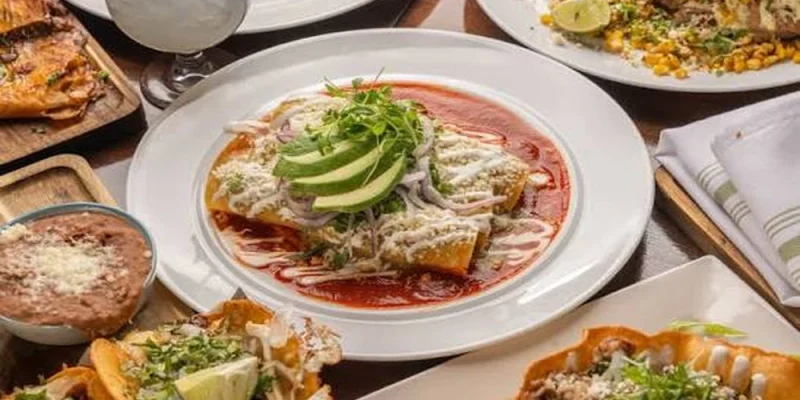
Why Guests Remember the Food Before Anything Else
Picture a backyard wedding reception in the foothills above Salt Lake City, string lights overhead and folding chairs still smelling faintly of the rental truck. The flowers are perfect, the playlist is set, and yet what guests will talk about on the drive home almost always comes down to one thing: what they ate. Food has a way of anchoring a memory, turning an ordinary afternoon into something people reference for years afterward. That pressure falls squarely on whoever chose the menu, and in a region known for its distinct take on Mexican cuisine, the stakes feel a little higher.
Utah has developed its own relationship with Mexican food over the past several decades, shaped by local ingredients, regional techniques, and a handful of restaurants that built loyal followings one plate at a time. Mole, in particular, has become something of a local obsession, with recipes that take days to prepare and involve dozens of ingredients simmered down into something complex and layered. When someone plans an event and wants that flavor profile represented well, they are not just looking for tacos and rice. They want the real version, made with the same care a sit-down dinner would receive.
What Changes When the Kitchen Comes to You
Moving a restaurant’s signature dishes out of the dining room and into an event space is harder than it sounds. Mole sauces lose character if they sit too long under a heat lamp, tortillas go stiff within minutes of leaving a warmer, and sauces that taste vibrant on a plate can turn muddy if transported the wrong way. A caterer with real experience in this cuisine understands timing in a way that generic event food services often do not, adjusting prep schedules so the last batch of sauce hits its peak flavor right as guests sit down to eat.
This is where Red Iguana catering has built a reputation that extends well beyond its restaurant locations. Families booking rehearsal dinners, companies organizing holiday parties, and couples planning receptions have leaned on that kitchen’s catering arm specifically because it treats off-site events with the same seriousness as a night in the dining room. The mole still takes the long road to the table, the salsas are still made fresh, and portions are built around actual appetites rather than a standardized banquet formula. That consistency is part of why repeat clients keep calling for anniversaries, office parties, and milestone birthdays year after year.
Logistics matter just as much as flavor once an event grows past a certain size. Someone has to figure out how many chafing dishes a hundred-person wedding actually needs, how to keep rice from drying out during a three-hour reception, and how to coordinate drop-off times around a venue’s strict loading dock schedule. Caterers who specialize in a specific cuisine tend to have already solved these problems dozens of times over, which spares the host from learning them the hard way during their own event. A casual office lunch might call for a simple taco bar with a few salsa options, while a formal reception benefits from plated courses that mirror a sit-down restaurant experience, and a good partner should be flexible enough to recognize the difference. Budget conversations also go smoother when a caterer offers itemized options rather than vague packages that leave hosts guessing, since portion sizes, dietary substitutions, and staffing needs all shift the final cost. In the end, the gatherings people remember fondly are rarely the ones with the most elaborate decor or the biggest guest list. They’re the ones where the food felt intentional, where someone thought through what guests would actually enjoy eating rather than defaulting to the easiest option on a menu, and that kind of attention tends to show up in conversations long after the tables are cleared.










Comments