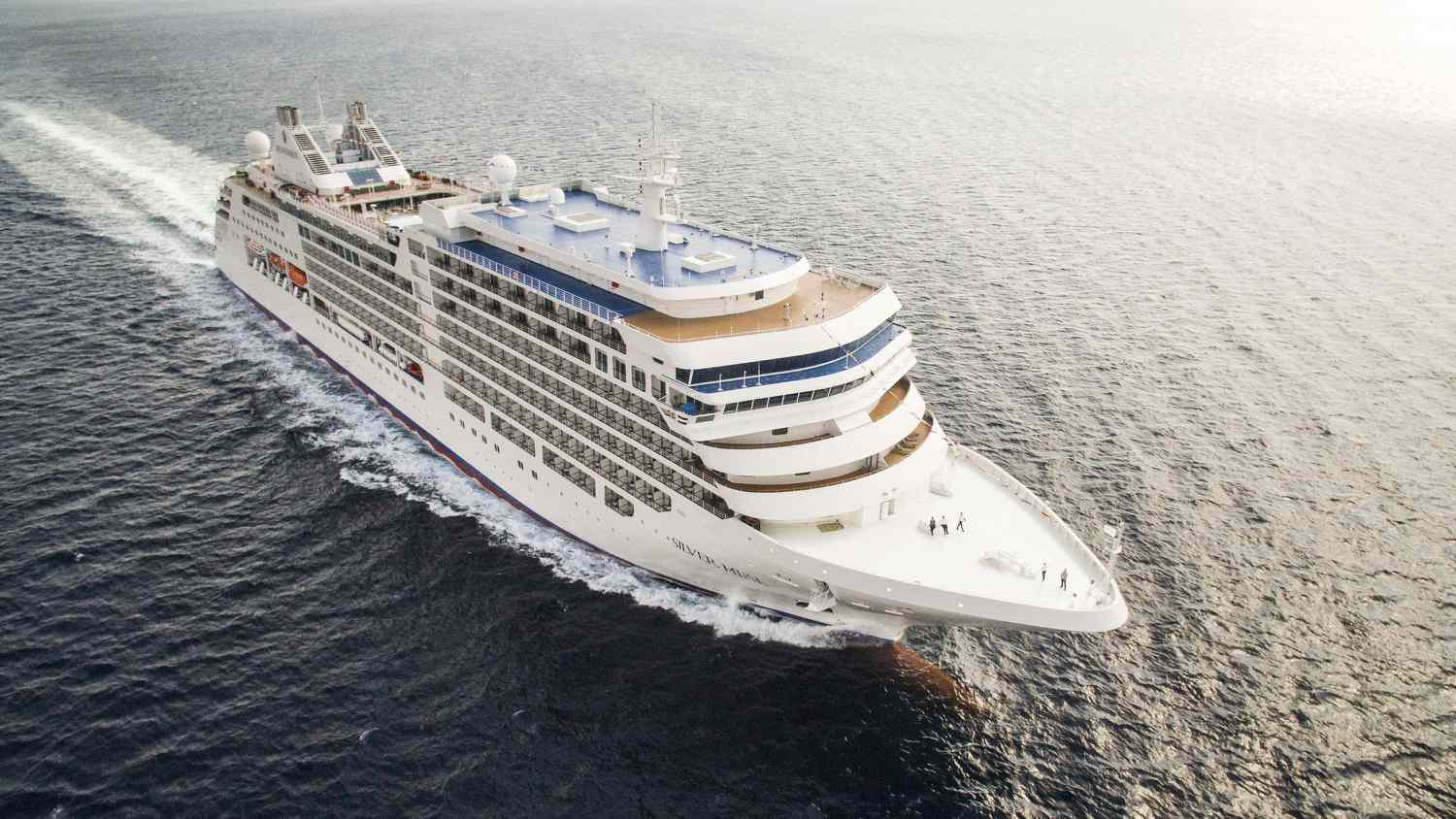
Choosing a cruise as a vacation format requires more consideration than simply selecting a destination. Cruises combine transportation, lodging, dining, and entertainment into a single system. For some travelers, this structure delivers efficiency and predictability. For others, it may feel restrictive. Evaluating whether a cruise fits your preferences helps avoid disappointment and improves overall satisfaction.
Understanding the Cruise Travel Model
Cruises operate on fixed schedules with predetermined ports and timelines. Each day follows a planned rhythm that includes arrival times, departure deadlines, and onboard programming.
Travelers who value structure often appreciate this approach. Knowing where you will be and when reduces planning effort. Those who prefer spontaneous changes or extended stays in one location may find the format limiting.
Comfort With Shared Spaces
Cruise ships are designed to accommodate thousands of guests in shared environments. Dining rooms, theaters, pools, and walkways are communal by design.
If shared spaces feel manageable and orderly, cruising can be comfortable. Travelers who prefer quiet, private environments at all times may feel constrained during peak hours.
Crowd management varies by ship size and itinerary. Understanding your tolerance for busy spaces helps determine suitability.
Predictability Versus Flexibility
Cruises trade flexibility for convenience. Meals are available on schedule. Activities are clearly outlined. Transportation between destinations is handled without passenger involvement.
This predictability appeals to travelers who want to minimize decision making. Those who enjoy planning each day independently or changing plans at the last minute may prefer land based travel.
Interest in Multiple Destinations
Cruising works well for travelers who want exposure to several destinations in one trip. Ports offer brief but concentrated experiences.
On a Caribbean cruise, passengers may visit several islands within a single week. This allows for variety without repeated packing and unpacking.
Travelers seeking deep exploration of one location may find port time insufficient. Cruises favor breadth over depth.
Comfort With Fixed Schedules
Port departure times are firm. Missing the ship can disrupt the entire trip. Travelers must manage time carefully during shore visits.
This requirement suits individuals who are comfortable following schedules. Those who prefer open ended timelines may find this aspect stressful.
The structured schedule is similar to operating environments where timing and coordination matter.
Onboard Environment and Activities
Cruise ships offer a range of activities, from entertainment to fitness to quiet lounges. Reviewing onboard options helps determine alignment with personal interests.
Some travelers enjoy having choices readily available without leaving the ship. Others may find onboard activities unnecessary or distracting.
Understanding how you prefer to spend downtime is key.
Dining Preferences and Expectations
Cruises provide meals as part of the fare, with varying levels of flexibility. Dining rooms operate on set hours, while casual venues offer extended access.
Travelers who value convenience appreciate this arrangement. Those who prefer exploring local restaurants independently may feel constrained.
Specialty dining options can add variety, though they may involve additional cost.
Comfort With Group Travel Dynamics
Cruising involves interacting with a diverse group of passengers. Age ranges, travel styles, and expectations vary widely.
If interacting with different personalities feels comfortable, cruising can be engaging. Travelers seeking solitude or highly customized experiences may prefer alternative formats.
Selecting the right cruise line and itinerary can influence onboard demographics.
Cost Structure and Value Perception
Cruises bundle many expenses into one price. Lodging, meals, transportation, and entertainment are included.
This model appeals to travelers who prefer predictable costs. Additional spending is optional but should be anticipated.
Understanding what is included helps set expectations and avoid surprises.
Comparing Cruises to Other Travel Options
Cruising differs from resort stays or independent travel. Resorts offer flexibility within one location. Independent travel allows complete control but requires more planning.
Caribbean cruises often appeal to travelers who want warm weather, frequent destination changes, and minimal logistical effort.
Evaluating these differences clarifies whether cruising aligns with your travel style.
Making an Informed Decision
A cruise is right for travelers who value structure, convenience, and variety within a single trip. Comfort with shared spaces, fixed schedules, and organized activities contributes to satisfaction.
By assessing preferences around flexibility, social interaction, and destination depth, travelers can determine whether cruising offers the right balance of efficiency and enjoyment for their needs.