 By
By 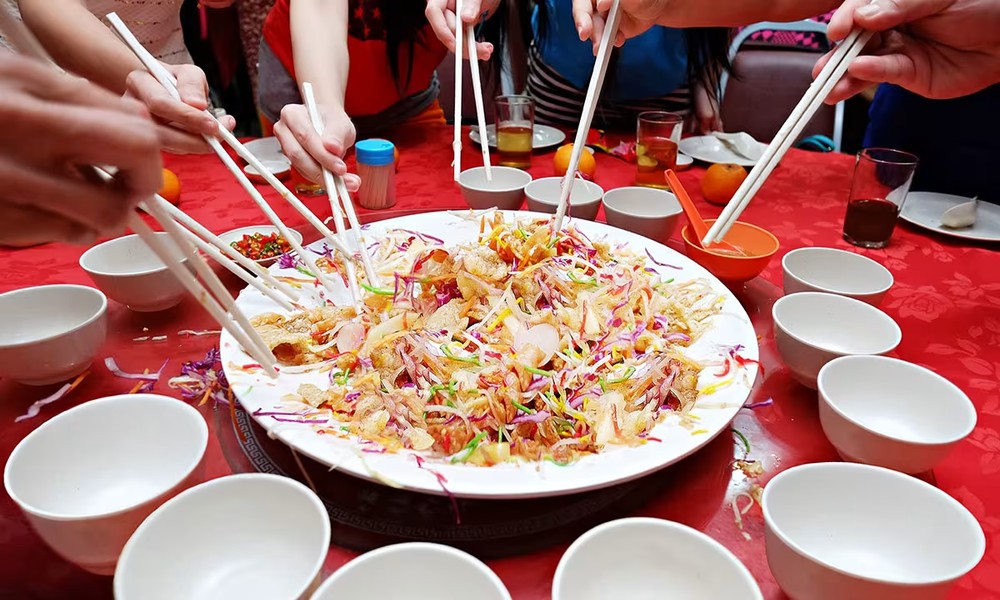
For first-time travelers to East Asia, the dining table can feel like an obstacle course of unfamiliar rules. Chopsticks alone present a learning curve. Add the regional differences across the major East Asian dining cultures, and the average meal involves more etiquette than the average wedding back home.
The good news is that the bar for visitors is reasonably forgiving. Locals know you’re learning and appreciate the effort to participate respectfully. A few basics carry you through most situations without offense. The deeper rules become rewarding to learn but aren’t required for a pleasant meal.
Holding Chopsticks Correctly
Chopsticks aren’t as difficult as they look. The trick is letting the bottom stick rest mostly still while the top stick does the moving.
Place the first chopstick in the groove between your thumb and index finger. Let the bottom of the stick rest against the side of your ring finger. This stick stays still throughout the meal.
The second chopstick rests between your thumb and your index finger, supported by the middle finger. Hold it the way you’d hold a pencil. This top stick does all the moving. Your index and middle fingers control the motion. The thumb provides stability.
Practice picking up small items at home before a trip. Cubes of cheese and small peanuts both work as practice food. Pieces of cooked pasta are another easy starting point. The motion will feel awkward at first. Within fifteen or twenty minutes, the basic grip starts to feel natural.
Common Chopsticks Taboos
Several chopsticks behaviors are considered deeply rude across East Asia. These rules connect to funeral customs and other cultural sensitivities. Learning them prevents accidental offense.
Never stick your chopsticks upright in a bowl of rice. This resembles incense sticks placed at a funeral and is considered a serious violation of etiquette. Rest your chopsticks horizontally on the chopstick rest. The edge of your plate works too. Across the top of a bowl is also acceptable.
Don’t pass food directly from your chopsticks to another person’s chopsticks. This mirrors a Japanese funeral ritual involving passing cremated bones. Place food on the person’s plate or in their bowl instead.
Don’t point with your chopsticks. They aren’t fingers and shouldn’t be waved at people or objects across the table.
Don’t stab food with chopsticks. The tool is meant for grasping, not spearing. If you’re struggling with a slippery piece of food, ask for help or use a fork without embarrassment.
Don’t lick your chopsticks. Don’t move dishes with them. Don’t dig through a communal dish looking for the piece you want. Take what’s nearest you instead.
What a Japan Cruise Teaches You
A Japan cruise provides a fairly forgiving introduction to chopsticks and East Asian dining customs. Ship-based meals often include both Western and traditional options, which lets travelers ease into the local style at their own pace. Daily port stops offer chances to practice in restaurants where staff are accustomed to international guests.
Many cruise lines offer onboard cultural briefings before significant port days. These short sessions cover the basics of local etiquette. Tea ceremony participation is one common topic. Greeting phrases and gracious requests for more or less food round out the typical agenda.
Shore excursions sometimes include lunches at traditional restaurants with a guide present to coach guests through unfamiliar customs. The structured introduction reduces the anxiety many travelers feel about their first authentic East Asian meal.
Japan: Quiet Refinement
Japanese dining customs emphasize restraint and respect for the food. Say “itadakimasu” before eating, which acknowledges the effort that produced the meal. Say “gochisousama” after finishing to express thanks.
Slurping noodles is welcome rather than rude. The sound indicates appreciation and helps cool hot noodles as they enter the mouth. Don’t slurp soup directly. Lift the bowl to your mouth instead, holding the bottom with one hand.
Don’t pour your own drink in a social setting. The custom is to pour for others and let them pour for you. Watch glasses around the table and refill before they go empty.
Rice should be eaten with the bowl raised closer to the mouth. Leaving rice in the bowl can be considered wasteful, so finish what you take.
China: Sharing as Default
Chinese meals revolve around shared dishes placed in the center of the table. Lazy Susans are common in larger restaurants and rotate to bring each dish within reach. Take a small portion onto your own plate or bowl rather than eating directly from the central dishes.
The first piece of any dish often goes to the eldest or most honored person at the table. Wait briefly before serving yourself if you’re not sure of the social hierarchy.
Toasting is central to Chinese dining. The host typically offers the first toast. Subsequent toasts move around the table. Hold your glass lower than the host’s when clinking to show respect. The phrase “gan bei” means bottom up and typically expects you to drink the full glass.
Tea is served throughout meals. Tap two fingers on the table when someone pours tea for you. The gesture is a quiet thank-you that allows the conversation to continue without interruption.
Korea: Generational Respect
Korean dining customs heavily emphasize respect for elders. Wait until the oldest person at the table begins eating before you start. Use both hands when accepting a drink from someone older. Turn your head slightly away when drinking in front of elders.
Korean tables include numerous small side dishes called banchan. These are shared and refilled throughout the meal without additional cost. Take small amounts to your own plate rather than eating directly from the shared dishes.
Soju is the traditional Korean liquor and appears at most evening meals. Pour for others rather than yourself. Hold the bottle with both hands when pouring for someone older than you.
A Few Universal Tips
Take time with your meal. East Asian dining tends to be slower than American or European service. The pace is part of the experience.
Try at least a small portion of everything offered to you. Outright refusal can be taken as rude. A small bite shows respect for the host’s choices.
Compliment the food and the host directly. Even simple expressions of appreciation translate well across cultures.
Don’t worry about small mistakes. The hosts and servers in most situations have seen every possible misstep and won’t take offense at honest beginner errors. The effort to learn matters more than perfect execution.
The Reward of Trying
Mastering chopsticks and the basic dining customs of East Asia opens doors to experiences that would otherwise remain just out of reach. The conversation flows more easily when both sides relax. The food itself tastes different when you know how to eat it the way it was designed to be eaten. The trip home leaves you with skills you’ll use long after the suitcase is back in the closet.













Comments